High-alumina bricks are essential refractory materials with varying Al₂O₃ content (48%–90+%), determining their thermal stability, strength, and corrosion resistance. Introduction High-alumina bricks represent one of the most versatile and widely used refractory materials in high-temperature industrial processes. What makes these bricks particularly interesting is how
Definition and Raw Material CompositionClay refractory bricks are traditional refractory materials primarily made from natural refractory clay, with kaolinite (Al₂O₃·2SiO₂·2H₂O) as their core component. These materials maintain stable physical and chemical properties under high-temperature conditions, making them one of the most commonly used refractory products
Refractory bricks are essential materials in high-temperature industrial applications. Among the various types, SK32 and SK34 stand out for their unique properties and uses. This article delves into the characteristics, applications, and benefits of SK32 and SK34 refractory bricks. What Are they? SK32 and SK34
Introduction Refractory bricks are essential components in various high-temperature industrial applications, such as furnaces, kilns, and incinerators. Selecting the right refractory brick OEM (Original Equipment Manufacturer) factory is crucial to ensure the quality, durability, and performance of these bricks.This article will guide you through the
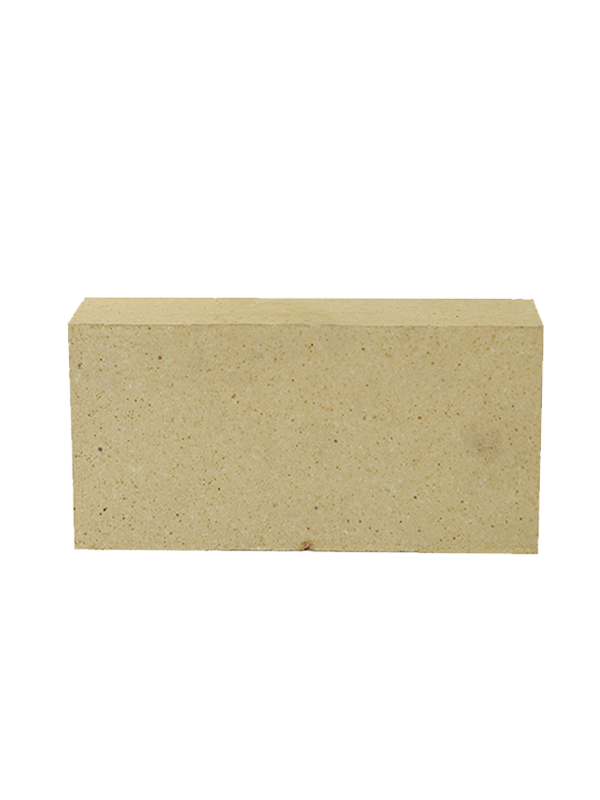
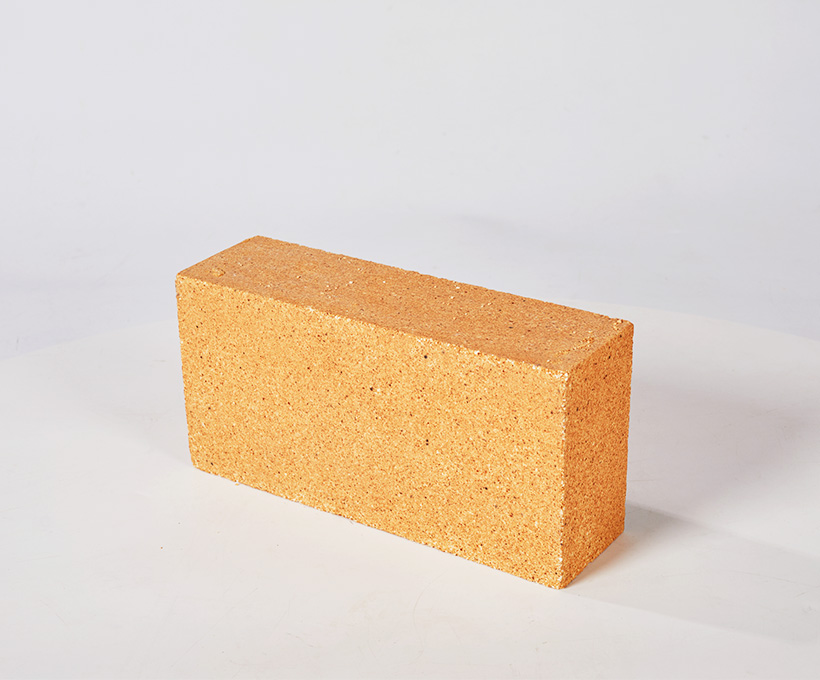
Refractory clay fire bricks of this kind are vital in industry. I. Properties High Refractoriness: These bricks can bear temperatures above 1500°C without getting deformed. Their composition and firing process lead to a stable microstructure. For example, in a steelmaking furnace, the molten steel constantly


© 2012 - 2025 • Avada is a Website Builder for WordPress and eCommerce • All Rights Reserved • Developed by ThemeFusion