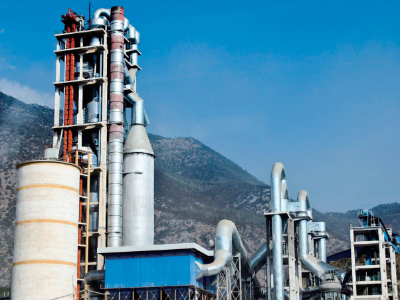
The cyclone separator (also referred to as cyclone), as the core separation equipment of Circulating Fluidized Bed (CFB) boilers, has become an indispensable component of the boiler system due to its advantages of simple structure, high separation efficiency, and convenient operation and maintenance. However, this
1. Classification by Combustion Flue Arrangement Characteristics Two-part Type The combustion flues of the regenerator are divided into two sections by the machine side and the coke side. One section features upward gas flow while the other has downward gas flow. A horizontal flue connects
As a high-quality refractory material, mullite lightweight insulating bricks are widely used in numerous fields due to their excellent thermal insulation performance and stability. Then, in what environments can this material be applied? A detailed discussion on its applicable environments is as follows: First of
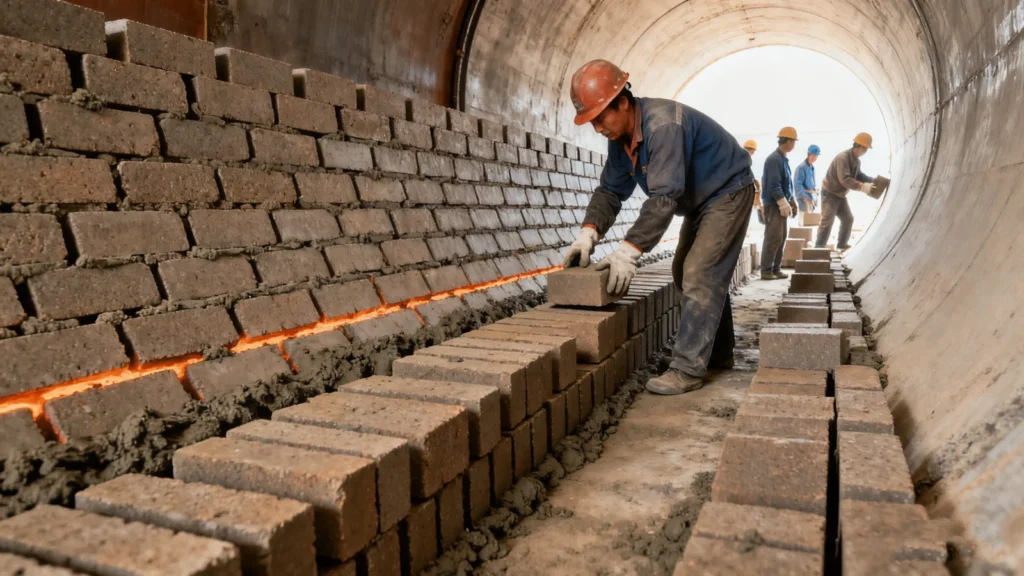
As a core piece of equipment in the metallurgical, building materials, and chemical industries, the rotary kiln plays the critical role of transforming raw materials into finished products through high-temperature processing. Its stable operation relies not only on precise structural design but also, crucially, on
Hot blast stoves, as core thermal equipment in industrial production, have performance and service life that largely depend on the selection of refractory materials. These refractory bricks act as guardians of the stove, silently enduring harsh conditions such as high temperatures and corrosion to ensure
In high-temperature industrial sectors such as cement production, steel manufacturing, and non-ferrous metal smelting, the rotary kiln stands as the "heart" of the production line. Operating in a continuous 360-degree rotation, it performs critical processes like calcination and roasting of materials under extreme temperatures ranging
The consumption of refractory materials for steelmaking is substantial, and it directly affects the service life of steelmaking furnaces and smelting costs. Therefore, when selecting refractory materials, in addition to meeting the requirements of smelting processes, it is necessary to rationally utilize resources based on
The ladle used in traditional steelmaking processes, such as the short-route ladle-ingot method, primarily employs refractory materials such as aluminosilicate bricks, semi-silica bricks, and pyrophyllite bricks. When used in long-route methods like secondary refining and continuous casting, the refractory materials include high-alumina bricks, dolomite bricks,
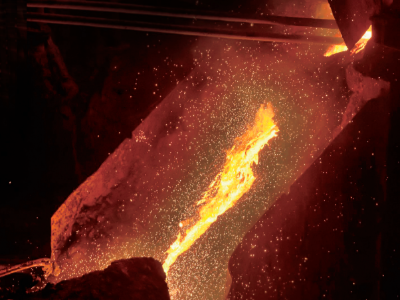
Steel ladles are primarily used for containing molten steel. Before tapping, the ladle must be preheated and baked. During tapping, molten steel at approximately 1650°C is poured from the furnace into the ladle. The ladle not only endures intense thermal and mechanical shocks from the
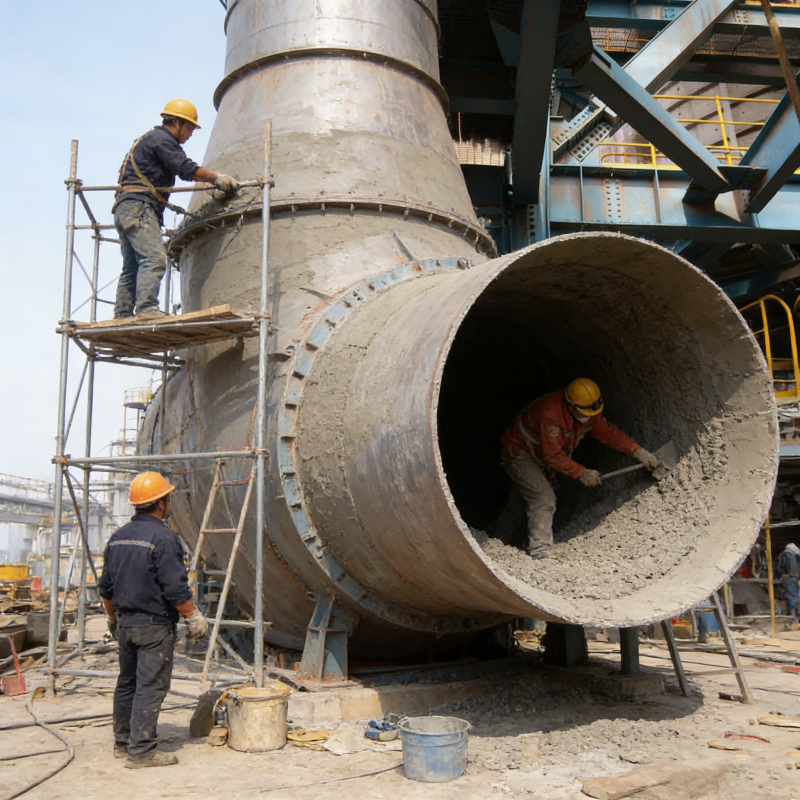
Castables are granular and powdered materials made from refractory substances, combined with a certain amount of binder and water, forming a highly fluid mixture suitable for shaping by casting. To enhance fluidity or reduce water content, plasticizers or water-reducing agents may be added. Additionally, hardening